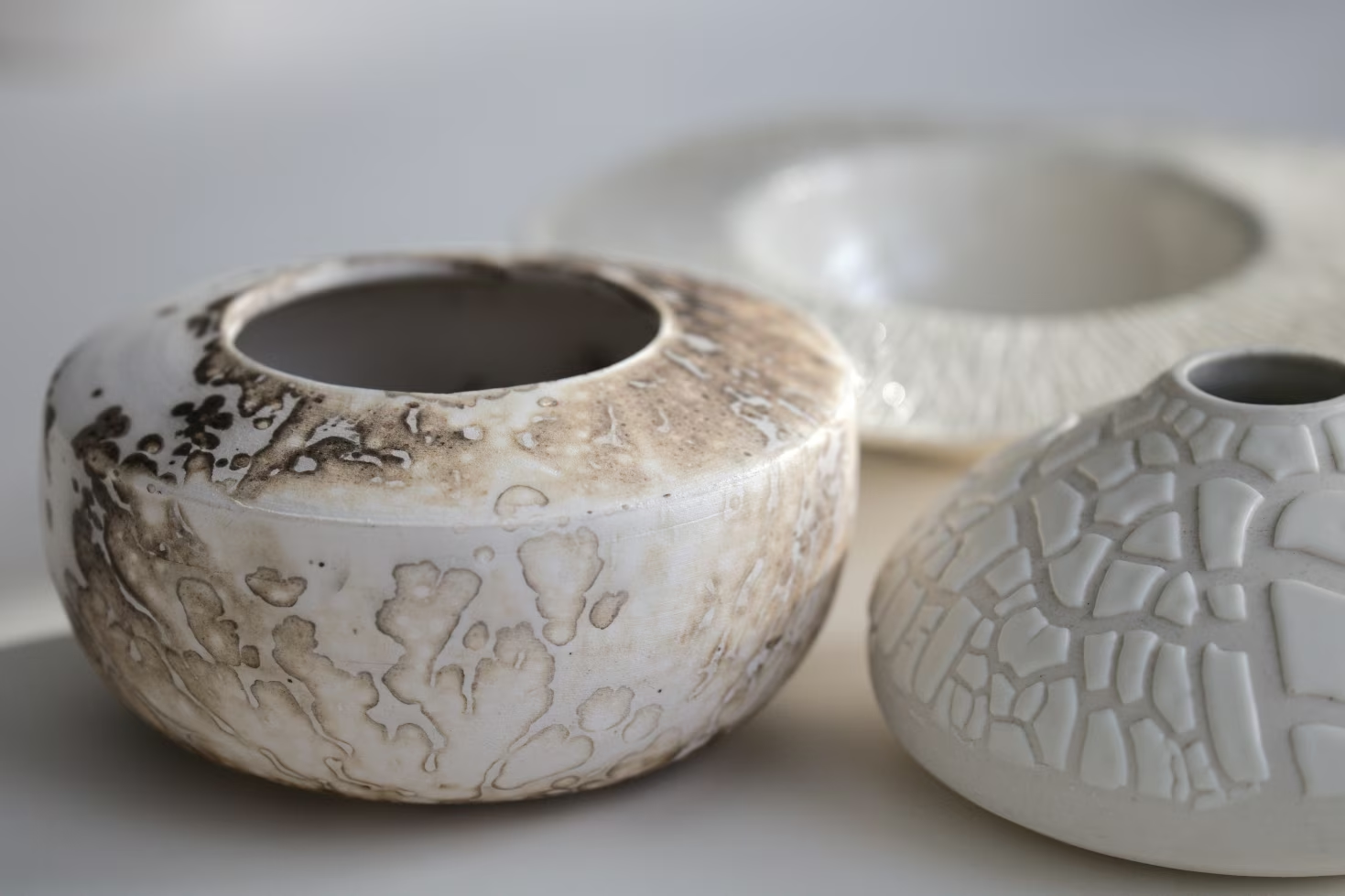

What is Crystalline pottery art?
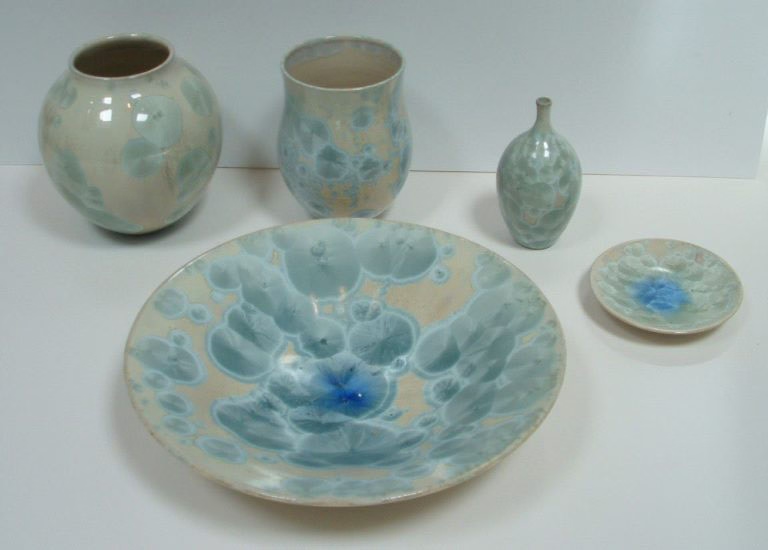
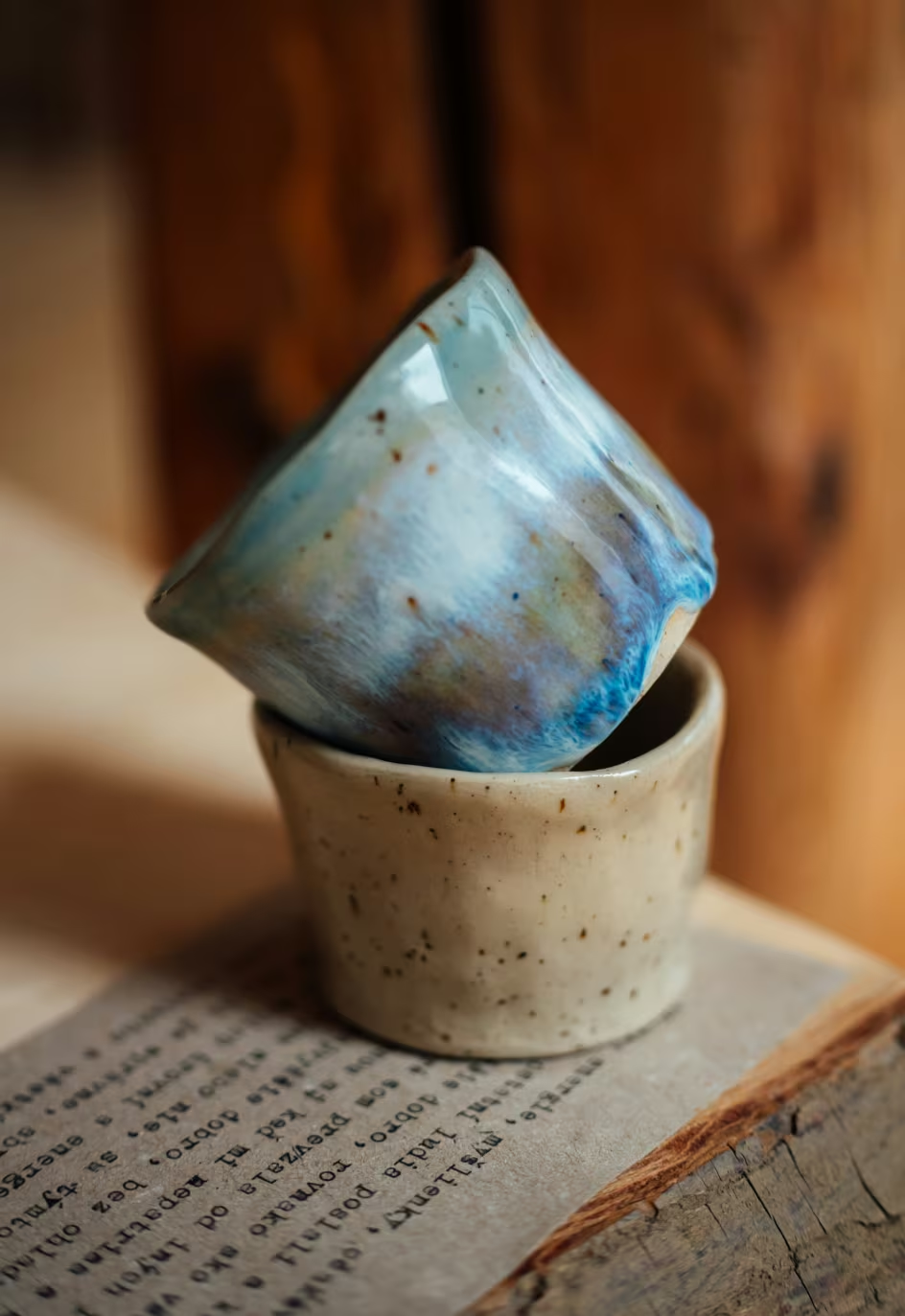
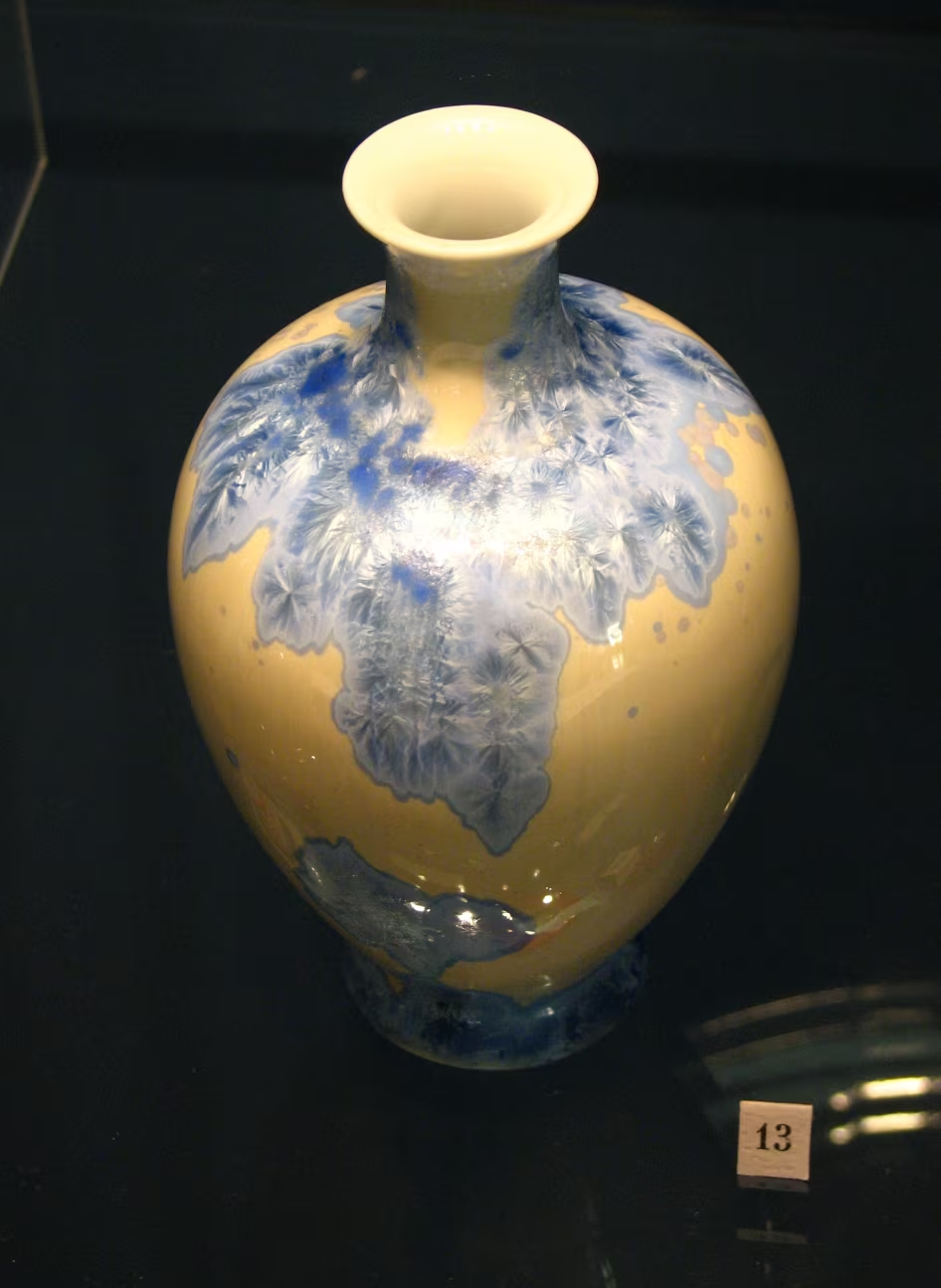
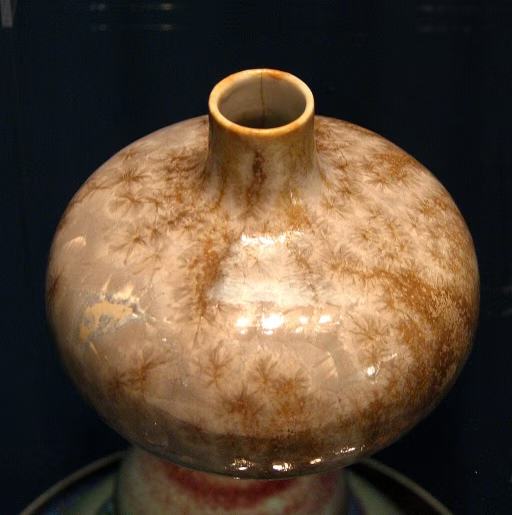
Crystalline pottery art is a highly specialized ceramic art form, known for its vivid, petal-like crystal patterns that bloom across the surface of glazed vessels.
Unlike painted or carved decoration, the beauty of crystalline pottery derives from controlled chemistry and precise kiln firing. The crystals are then formed within the crystalline glazes, creating intricate and one-of-a-kind surfaces.
Because of the complication of the technique, crystalline pottery art is typically created as decorative or sculptural work rather than functional ware. Thus, it is often considered and displayed as fine art.
The Science behind Crystalline pottery art
As a potter who has worked extensively with crystalline pottery art, I've learned that the process is a perfect blend of science and intuition. Not only does it demand patience, but also precision and a deep understanding of materials and their behavior under heat.
The difference between crystalline glazes and conventional ones is that they are formulated with high levels of zinc oxide and silica, but very little alumina. This chemistry allows the crystals to form after the glaze is fully melted and cooled.
During firing, the glaze is heated under an extremely high temperature until it becomes fully molten. Then, the temperature is carefully lowered and held at specific ranges - often for hours, to create necessary conditions for the crystals to nucleate and grow.
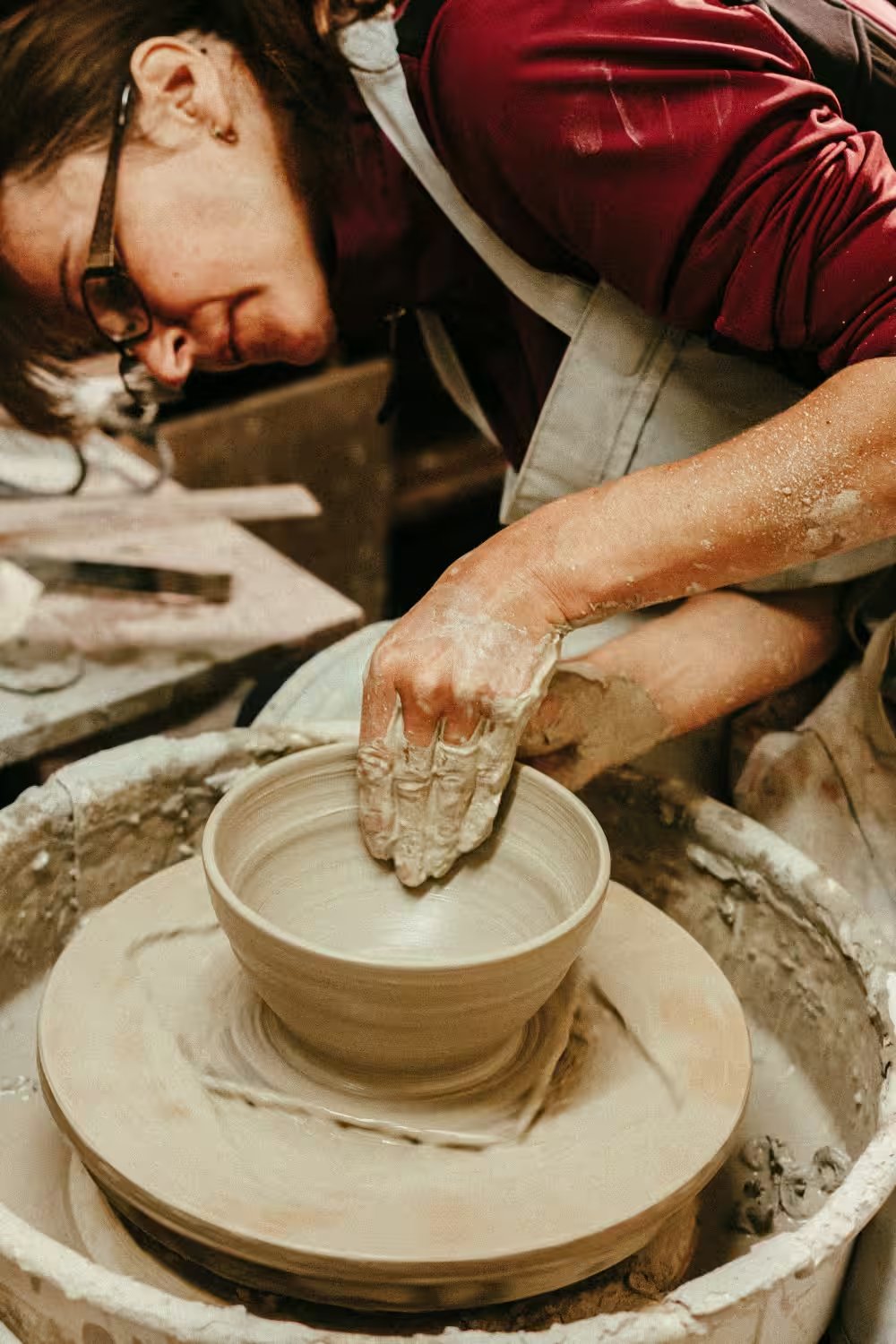
- Over 3 years of experimenting, I've found the key factors that also influence crystalline pottery art:
- Temperature curves
- Soak times
- Cooling rates
- Glaze chemistry
- Kiln atmosphere
- Surface preparation
- Firing placement
How is Crystalline pottery art discovered?
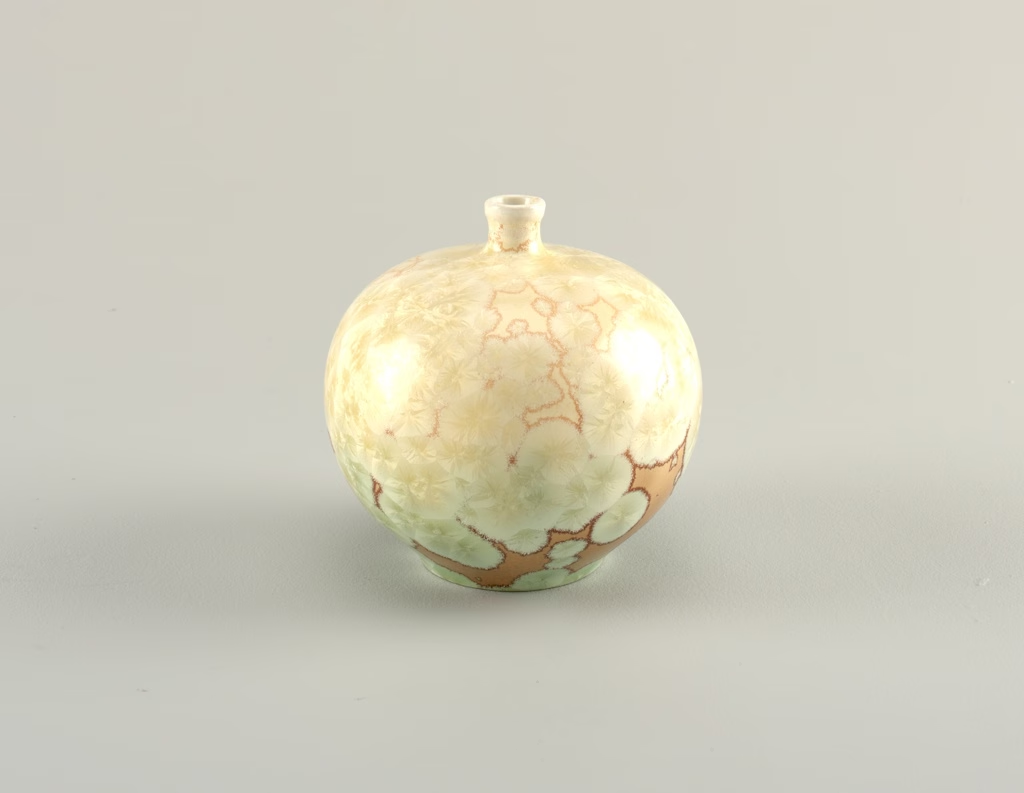
The origin of crystalline pottery art can be traced back to the late 19th century, when European chemists began to explore the effects of high-temperature glazes and controlled cooling. These early experiments laid the foundation for what later evolved into an artistic pursuit. During the 20th century, artists began refining glaze recipes and firing schedules, developing methods that allowed for greater control while preserving the unpredictability.
Over time, crystalline pottery art became a niche but highly respected discipline within studio pottery. In addition, its rich history has reflected a continuous dialogue between science and art, experimentation and intuition. Today, though techniques have evolved, the essence remains unchanged - a willingness to accept unpredictability.
Inspired by Timelessness and Natural phenomena
Natural processes that occur outside of human timescales serve as a major inspiration for my crystalline pottery art. As I watch the crystals emerge, I see echoes of frost patterns on winter windows, mineral growth deep underground, and microscopic cellular structures. The pieces aren't just designed to be admired, but also to endure. Fired at extreme temperatures and made from natural materials, each piece can last for generations. In this way, each piece reflects a moment of alignment between human intention and natural phenomenon, a sense of timelessness, and its connection to the earth.
How I Design One-of-a-kind Crystal Patterns
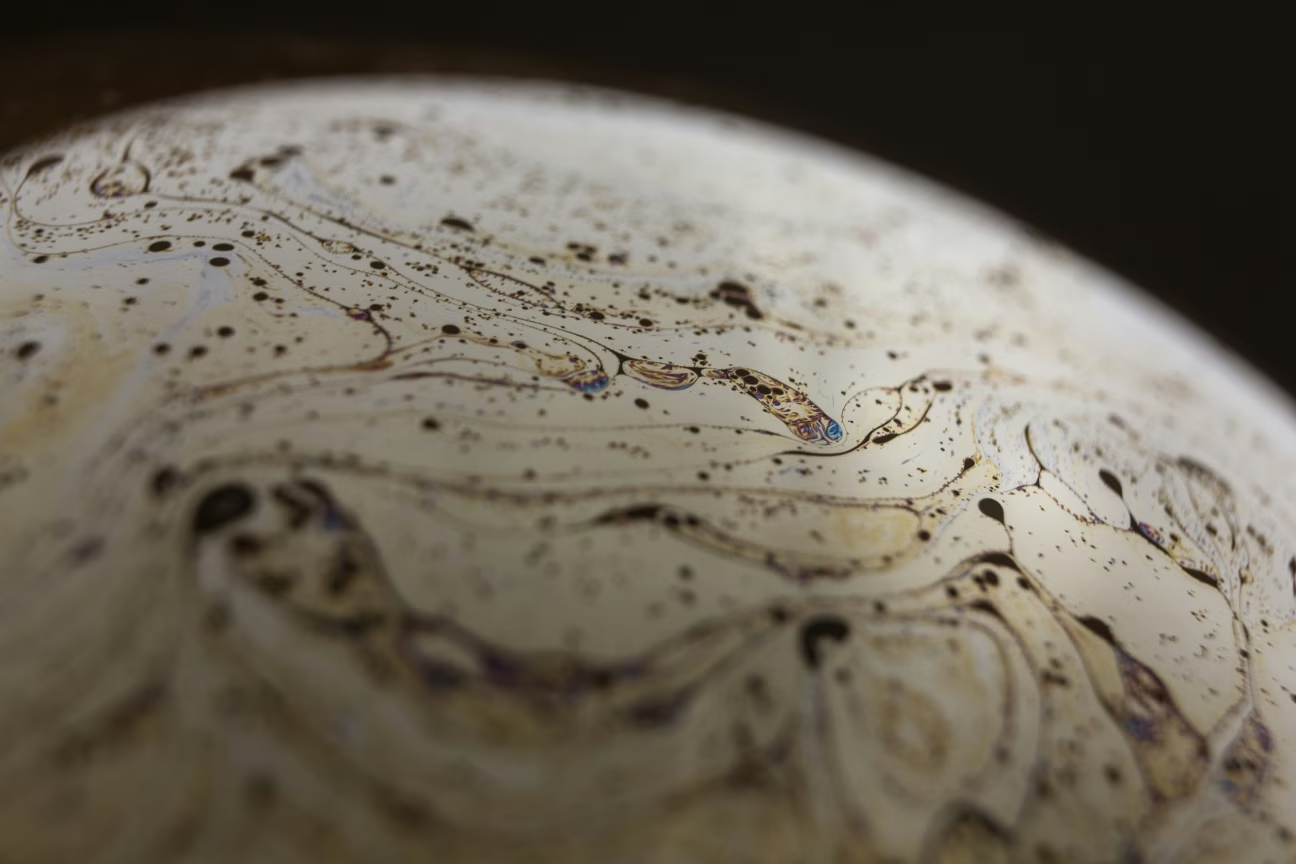
Creating crystalline pottery art is a high-stakes dance between chemistry and fire. Unlike traditional glazing, where the colors and patterns of your choice can be seen through painting, macro-crystalline glazes are “grown” inside a hot kiln. For me, each piece of crystalline pottery art is a collaboration between science, patience, and artistic intuition. Despite having created about a total of 26 pieces of crystalline ceramics for over 5 years, I have never made any duplicate works at all; they are truly unique specimens.
The Foundation of Crystalline Pottery Art
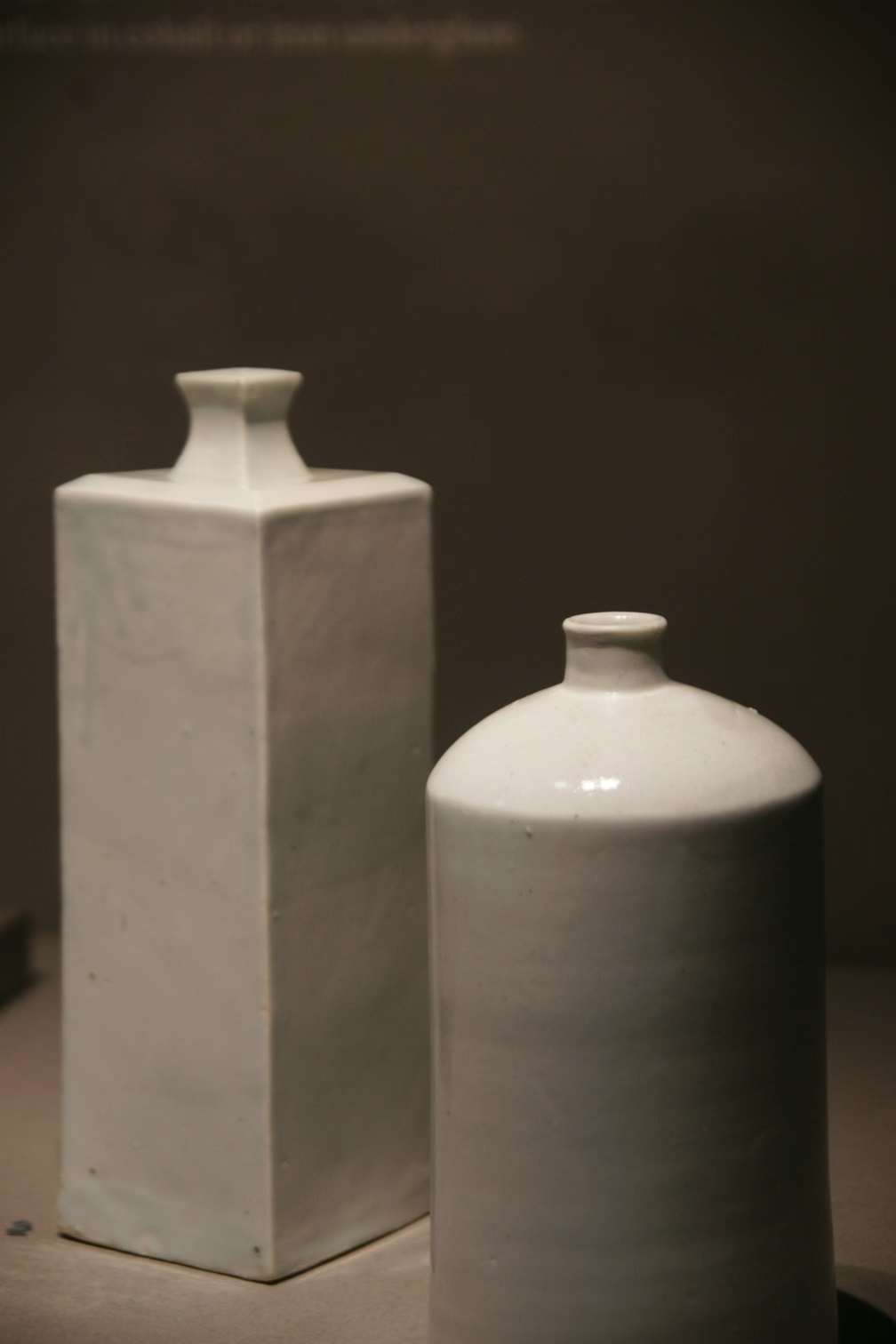
The journey begins with the porcelain body. To ensure each piece reaches its full aesthetic potential, I use a smooth, high-fire porcelain that acts as a blank canvas. Because the glaze becomes incredibly fluid at peak temperatures, I must throw custom “catch basins” for every piece to prevent the molten glass from fusing the pot to the kiln shelf.
Engineering the Zinc-Silicate Seeds
The magic of crystalline pottery art lies in the glaze formula, which is why I always try to be meticulous when it comes to calculating ratios of zinc oxide and silica. When the kiln reaches approximately 1300°C, these ingredients melt into a liquid state. Then, as I begin a controlled cooling cycle, I “hold” the temperature at specific plateaus. This is where crystals are born.
- By manipulating these holds, I can influence the crystals' morphology:
- Needle-like structures: for a sharp, energetic look.
- Orbicular blossoms: mimic flowers or snowflakes.
- Layered rings: created by fluctuating the temperature during the growth phase.
Designing with Oxide "Splashes"
In crystalline pottery art, color is achieved through metallic oxides. I don’t just dip a pot; I strategically apply iron, cobalt, copper, or manganese to the raw glaze. As the crystals grow, they “pull” these minerals from the surrounding glaze, often resulting in a vibrant, iridescent center and a softer, contrasting halo.